
You can improve cardiovascular endurance without long workouts by using shorter, consistent sessions that combine moderate aerobic work, brief intervals, and more movement across the day. The key is accumulating enough useful intensity over the week, not proving you can suffer through a long session.
TL;DR: Shorter cardio can work when it is consistent, progressive, and matched to your current capacity.
- Use 10 to 30 minute sessions, brisk walking, cycling, stairs, rowing, or low-impact intervals.
- Keep most work manageable and reserve harder efforts for planned days.
- Measure progress with easier breathing, faster recovery, or more work at the same effort.
Why shorter cardio can still create adaptation
Cardiovascular endurance improves when the heart, lungs, blood vessels, and muscles are exposed to repeated aerobic demand. A 20-minute session can be meaningful if the effort is honest and repeated across the week. The American Heart Association describes endurance activity as one of the core exercise categories and explains that aerobic activity supports the heart and circulation. Its endurance exercise guide is a useful reference for understanding what counts.
Short sessions work best when they are not random. A 12-minute brisk walk after lunch, a 15-minute bike ride, and a 20-minute incline walk can add up. The limitation is that short workouts require clarity. If every session is too easy to stimulate adaptation, progress may stall. If every session is intense, fatigue may rise faster than fitness.
Build a week from small cardio blocks
A practical structure is 3 to 5 short sessions per week. Two or three can be moderate, where talking is possible but singing would be difficult. One can include gentle intervals, such as 30 seconds faster followed by 90 seconds easy. Another can be low intensity and longer if time allows. The CDC notes that adult activity minutes can be broken up during the week, which makes shorter sessions legitimate when they are repeated. See its guidance on adding physical activity as an adult for examples.
| Time available | Session idea | Best use |
|---|---|---|
| 10 minutes | Brisk walk with 3 short faster segments | Busy days or restarting fitness |
| 15 to 20 minutes | Cycle, row, jog-walk, or incline walk at steady effort | Building repeatable aerobic base |
| 25 to 30 minutes | Moderate session with a few controlled intervals | Progressing endurance without long blocks |
If your weekly schedule already includes strength work, make sure cardio is not always placed immediately before heavy lower-body training. A reader using right-weight strength guidelines may find that shorter cardio is easier to recover from than long, draining sessions. If body-weight change is the goal, remember that endurance work is only one part of the equation, as explained in common reasons weight loss stalls.
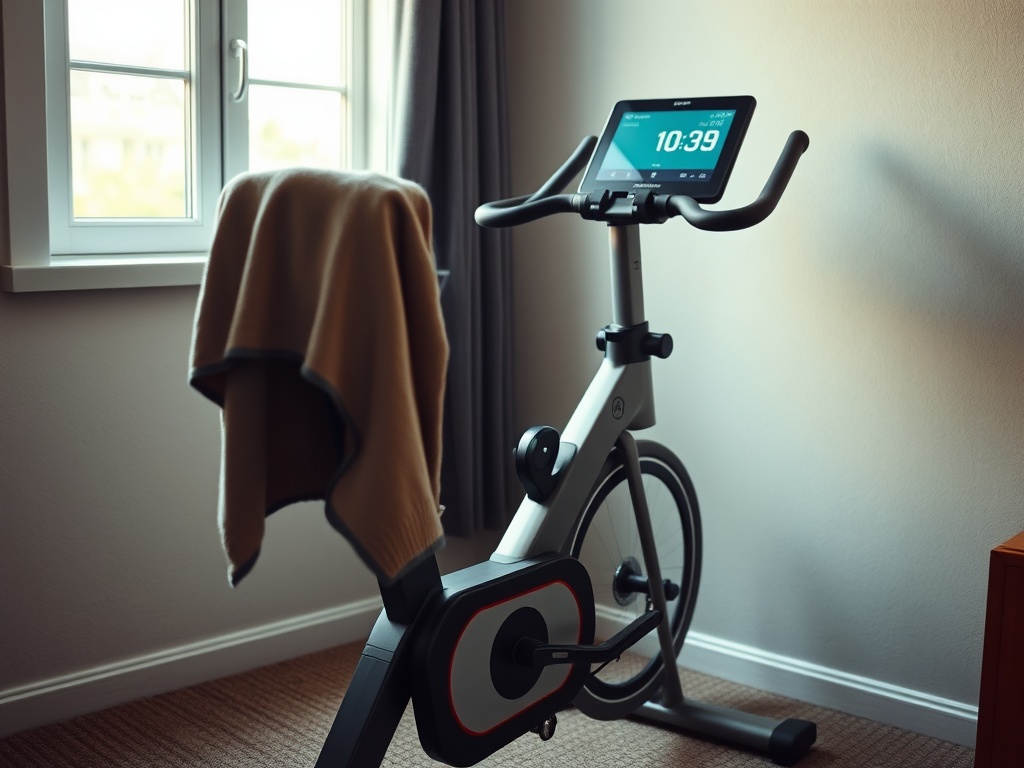
Use intervals carefully, not constantly
Intervals are useful because they can raise cardiovascular demand in less time. They are also easy to overuse. A safe beginner version might alternate faster walking with easy walking. An intermediate version might use a bike or rower to reduce impact. Advanced readers may use structured high-intensity intervals, but those sessions should be limited and surrounded by easier days. Hard intervals are a tool, not a replacement for all aerobic work.
The most common error is turning every short workout into a maximum-effort challenge. That can make the plan feel efficient for a week, then unsustainable. Another error is assuming a wearable calorie estimate proves the workout was effective. Endurance progress is better judged by pace, heart-rate response, recovery, and how daily tasks feel over time.
Progress markers beyond workout length
- You recover your breathing faster after climbing stairs.
- A familiar walking route feels easier at the same pace.
- You can hold a steady effort without constantly checking the clock.
- Your resting energy improves rather than drops after several weeks.
- You can add a small amount of time or intensity without soreness taking over.
These signs are subjective but useful. They should not replace medical evaluation when symptoms are unusual. Chest pain, faintness, severe shortness of breath, or irregular heartbeat sensations deserve professional attention, especially during new or higher-intensity activity.
A compact endurance plan for four weeks
Week one can include three 12 to 15 minute moderate sessions. Week two can add one 10-minute easy session. Week three can add short intervals to one session. Week four can extend one session to 25 or 30 minutes if recovery is good. This gradual structure creates measurable work without asking for a lifestyle overhaul.
The best shorter-cardio plan is the one you can repeat without dread. Pick tools you enjoy, keep most sessions controlled, and adjust based on recovery. If a device helps you see trends, use it as feedback rather than a judge. The goal is a heart and body that can do more ordinary work with less strain, not a perfect dashboard.
How to make short sessions feel less random
Short cardio fails when every session is improvised. Give each workout a label before it starts: easy base, steady moderate, controlled intervals, or recovery movement. A 15-minute workout with a clear label is more useful than 30 minutes of changing pace every time boredom appears. The label tells you what success looks like.
For base sessions, finish feeling like you could continue. For moderate sessions, finish warm and focused but not drained. For interval sessions, stop before form, breathing, or coordination becomes sloppy. This approach lets shorter workouts create a training pattern rather than a string of isolated efforts.
People with joint sensitivity can use cycling, rowing, elliptical machines, swimming, or incline walking to reduce impact. People who dislike machines can use walking routes with mild hills or timed faster segments. The best tool is the one that lets you repeat the effort consistently and recover normally.
Every two weeks, choose one progress measure. You might walk the same route with less breathlessness, complete one more interval, or keep a steadier pace at the same perceived effort. Avoid testing everything at once. A short-cardio plan should feel focused, not like a daily fitness exam.
Short workouts also benefit from a consistent warm-up and cooldown. Begin with 2 to 3 minutes at an easy pace, then increase effort gradually. Finish with a few easy minutes so breathing settles. This structure makes the session feel more controlled and reduces the temptation to start too fast, which is a common reason short cardio becomes unpleasant.
If you use heart-rate zones, treat them as guidance rather than law. Heat, caffeine, dehydration, stress, and poor sleep can all change heart-rate response. Perceived effort and breathing still matter. A session that matches the planned effort is successful even if the device shows a slightly different number than expected.
A monthly repeat session can show progress without requiring a race. Choose one familiar 20-minute route or machine workout and keep the effort moderate. If distance, pace, or comfort improves while effort feels similar, endurance is moving in the right direction. This kind of test is simple, repeatable, and less stressful than frequent maximum efforts.