For aphids, spider mites, and whiteflies, start with identification and low-impact controls rather than reaching immediately for a spray. Healthy plants, water rinses, selective pruning, and beneficial insects can often reduce pressure before a labeled soap or oil is considered.
TL;DR: The most reliable natural approach to aphids, spider mites, and whiteflies starts with correct identification, plant care, water sprays where appropriate, removal of heavily infested material, and protection of beneficial insects. Insecticidal soap or horticultural oil can be useful when nonchemical controls are not enough, but only when the product is labeled for the plant and pest.
First Confirm Which Pest You Have
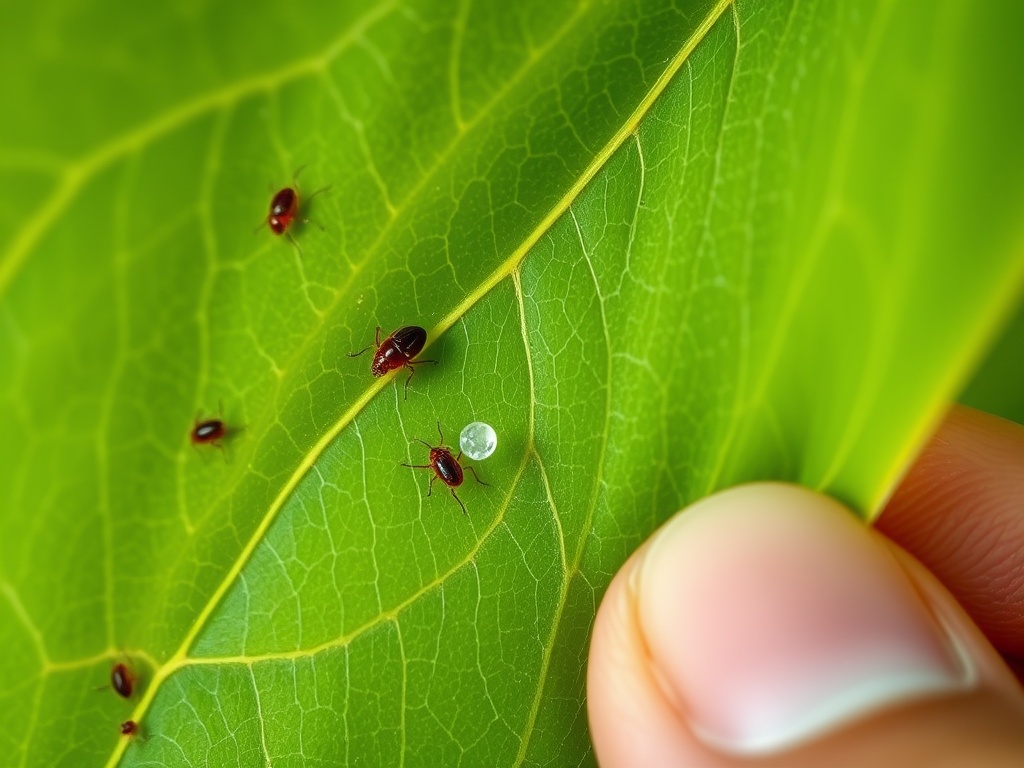
Aphids, spider mites, and whiteflies are all small sap-feeding pests, but they behave differently. Aphids often cluster on tender new growth and can leave sticky honeydew. Whiteflies commonly gather on leaf undersides and small adults may flutter when the plant is disturbed. Spider mites are not insects; they are tiny arachnids that can cause fine stippling, bronzing, and webbing when populations become high.
Use a hand lens and inspect leaf undersides before treating. Look for adults, immature stages, eggs, cast skins, webbing, honeydew, and natural enemies. Plant stress from drought, heat, nutrient imbalance, or root problems can sometimes resemble or worsen pest damage, so the goal is to diagnose the whole situation rather than reacting to one spotted leaf.
Use Integrated Pest Management as the Default
The University of California’s aphid guidance recommends nonchemical methods first and notes that natural enemies can reduce populations. Its guidance for spider mites and whiteflies also emphasizes monitoring, biological control, and selective treatment. This is integrated pest management: combine observation, prevention, physical control, biological control, and targeted products only when necessary.
Start With Plant Health and Growing Conditions
Pests often build fastest on stressed or overly lush plants. Water according to the plant’s needs, avoid chronic drought stress, and do not push excessive soft growth with unnecessary nitrogen fertilizer. Keep dusty foliage and surrounding surfaces in mind because spider mite problems can worsen under hot, dry, dusty conditions. Improve airflow where plants are overcrowded, but do not prune so aggressively that you create new stress.
Use Water as a Mechanical Control
A strong stream of water can knock aphids and some whiteflies from sturdy plants. For spider mites, rinsing leaf undersides can reduce dust and dislodge mites. The technique is simple, but it should suit the plant. Delicate flowers, fragile seedlings, or plants prone to foliar disease may need a gentler approach and adequate drying time.
Repeat inspection after washing rather than assuming one spray solved the problem. Pest control is often about lowering populations to a level the plant and beneficial insects can manage, not eliminating every individual.
Prune Only the Worst Hotspots
When infestation is concentrated on a few shoot tips or leaves, removing those parts can reduce pest numbers quickly. Bag or dispose of heavily infested material according to local guidance rather than dropping it beside the plant. Avoid stripping so much foliage that the plant loses the leaf area it needs to recover.
Clean cutting tools when moving between diseased or pest-stressed plants. If you are selecting or maintaining hand tools, The Best Pruners for Shrubs, Roses, and Small Trees explains where bypass pruners, loppers, and other cutting tools fit.
Protect Predators and Parasitoids
Lady beetles, lacewing larvae, predatory mites, minute pirate bugs, syrphid fly larvae, and tiny parasitic wasps can all contribute to natural control depending on the pest and region. Broad-spectrum insecticides may kill these helpful organisms along with the target pest. That can allow a pest population to rebound after the natural-enemy community has been disrupted.
A diverse garden with flowering plants can provide nectar, pollen, shelter, and alternate prey for beneficial insects. Do not expect a planted flower strip to act like an instant treatment, but supporting biodiversity can make the garden less dependent on repeated broad-spectrum spraying.
When Soap or Oil Makes Sense
UC IPM’s less-toxic insecticide guidance notes that horticultural oils can control aphids, whiteflies, and spider mites, while insecticidal soaps are also commonly used for soft-bodied pests. These products work mainly by direct contact, so coverage matters. They are not interchangeable with household dish soap, which may contain detergents or additives that injure plants.
Read the full pesticide label before use. Confirm that the product is labeled for the plant and target pest, follow dilution and temperature restrictions, and test sensitive plants when the label recommends it. Oils and soaps can damage foliage under certain heat, drought, or plant-sensitivity conditions. 'Natural' does not mean risk-free.
Avoid Homemade Mixtures That Create New Problems
Recipes using concentrated detergent, essential oils, vinegar, alcohol, or other household chemicals circulate widely, but garden safety and plant tolerance vary. A mixture that burns one pest may also burn foliage, harm beneficial organisms, or violate pesticide regulations when used as an unlabeled pesticidal product. Prefer tested cultural controls and registered products with clear directions.
Check Ant Activity When Aphids or Whiteflies Persist
Some ants feed on honeydew and protect sap-feeding insects from predators. If ants are constantly moving up and down infested stems, managing the ant access can sometimes improve biological control. The specific method should fit the plant and location, and any pesticide used should be labeled for that purpose.
Recheck Every Few Days Instead of Escalating Immediately
After any intervention, inspect new growth and leaf undersides. Look for declining pest numbers, fresh damage, predators, and plant recovery. If the pest remains high, reassess identification and growing conditions before adding a stronger treatment. Severe or recurring infestations may need help from a local extension office or licensed pest professional.
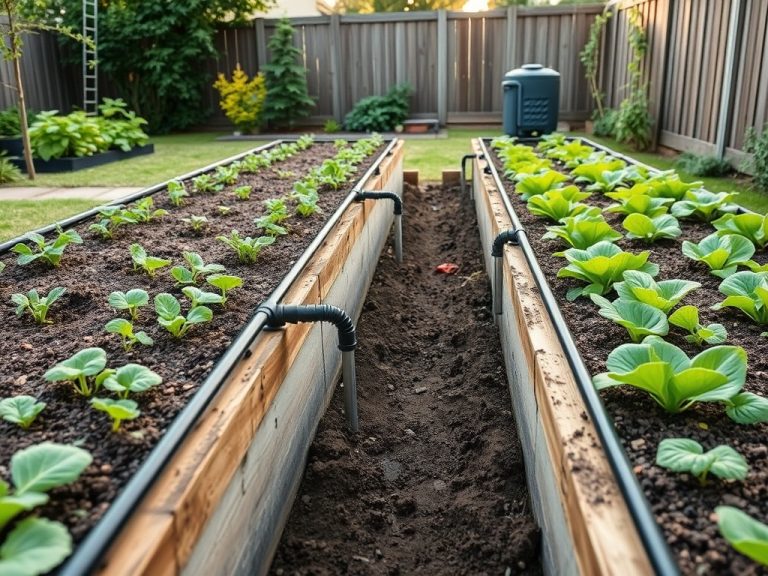
Water management can also affect plant stress. If pests are appearing in raised beds, compare irrigation consistency using How to Set Up a Basic Drip System for Raised Beds; uneven watering can weaken plants even when the pest itself is the most visible symptom.
Aim for a Stable Garden Not a Sterile One
A healthy garden contains insects and mites, including predators. The practical goal is to prevent unacceptable plant damage while preserving the organisms that help regulate pests. Identification, monitoring, plant care, mechanical controls, and carefully chosen products create a more durable approach than repeated blanket spraying.
Separate Cosmetic Damage From Plant Decline
A few curled leaves or stippled patches do not always justify treatment. Consider how much healthy foliage remains, whether new growth is being damaged, and whether the pest population is increasing. Established ornamental plants can often tolerate minor feeding that would be unacceptable on seedlings or a food crop at a sensitive stage.
Setting a practical tolerance level prevents unnecessary spraying and gives predators time to work. The threshold is a gardening judgment rather than a universal number, and it changes with the plant, season, crop value, and pest pressure.
Information note: This home and garden information is educational only. Conditions vary by climate, property, materials, and local rules; use a qualified professional when a task is outside your experience or involves safety-critical work.
Identify the pest first, use the least disruptive control that fits the situation, and reassess before escalating treatment.