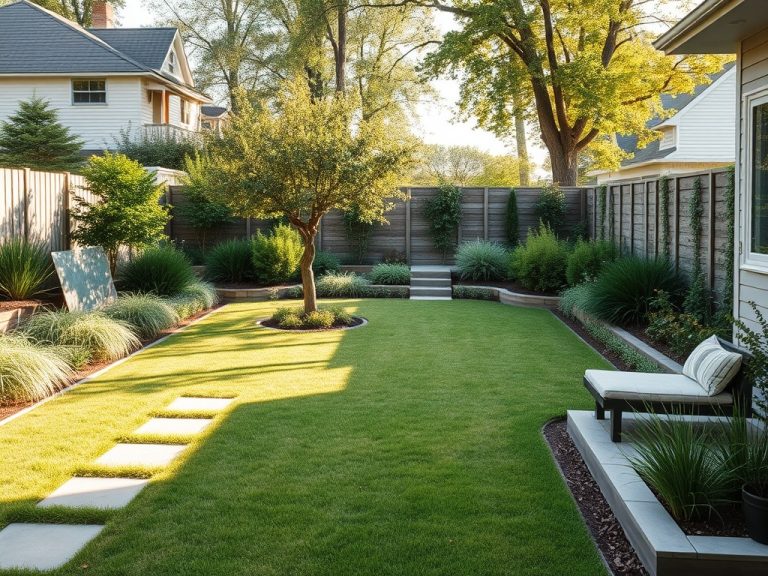
Treat lawn care as a seasonal response to growth and weather, not a list of fixed calendar dates. The right tasks depend on grass type, climate, soil condition, rainfall, and the stresses the lawn is showing at that time.
TL;DR: A seasonal lawn care calendar works best as a flexible sequence, not a rigid date sheet. Identify your grass type and local climate first, then time mowing, watering, fertilizing, seeding, aeration, and pest checks around active growth and weather conditions.
Before the Calendar: Identify the Lawn You Actually Have
Lawn timing changes by region and turf species. Cool-season grasses grow most actively in spring and fall, while warm-season grasses are strongest during warmer months. A calendar written for Pennsylvania will not map perfectly onto Florida, Arizona, or coastal California. Use the seasonal framework below to organize tasks, then adjust dates through your state or local extension service.
Penn State Extension’s current seasonal lawn management guide explicitly notes that weather can shift recommended timing, especially during unusual drought, heat, or cold. That is the right mindset for beginners: watch the grass and conditions instead of performing a task just because a calendar says a certain month.
The Four-Season Lawn Care Framework
| Season | Main priorities | What to avoid |
|---|---|---|
| Spring | Assess winter damage, begin mowing at the proper height, address bare areas, test soil if needed | Heavy traffic on saturated soil and unnecessary early fertilizing |
| Summer | Water efficiently, mow high enough for the grass type, watch heat and drought stress | Frequent shallow watering and aggressive renovation during stress |
| Fall | Seed or overseed where appropriate, aerate if needed, manage leaves, support root growth | Waiting too late to establish seed in cold regions |
| Winter | Limit traffic on frozen or dormant turf, service equipment, review problem areas | Driving or repeatedly walking on frost-covered turf |
Spring: Inspect First and Correct Only What Needs Correction
When growth resumes, look for thin areas, matted debris, drainage problems, vole or snow-mold damage in cold climates, and compacted traffic lanes. Rake lightly where needed, but do not aggressively tear at turf that is still soft or saturated. Begin mowing when the lawn is actively growing and follow the recommended height for your grass species. Sharp blades matter because clean cuts reduce shredding and improve appearance.
Spring can be a reasonable time for selective repairs, but major renovation is not automatically necessary. If you are seeing recurring thinning, identify the cause first. Shade, compaction, poor drainage, incorrect mowing height, and inappropriate grass selection can all produce weak turf that reseeding alone will not solve.
Summer: Protect Roots and Reduce Stress
Summer lawn care is often about restraint. Water deeply enough to wet the active root zone but avoid automatic schedules that run regardless of rainfall. The University of Minnesota Extension’s water-wise landscape guidance emphasizes matching watering to plant needs and conditions. Local watering restrictions and soil type should also guide your schedule.
During hot or dry periods, avoid removing too much leaf area at one mowing. Taller grass within the suitable range for the species generally shades the soil and supports a larger photosynthetic surface. If growth slows, mowing frequency should slow too. A dormant lawn may brown temporarily, and the correct response depends on species, climate, and whether you intend to maintain dormancy or irrigate.
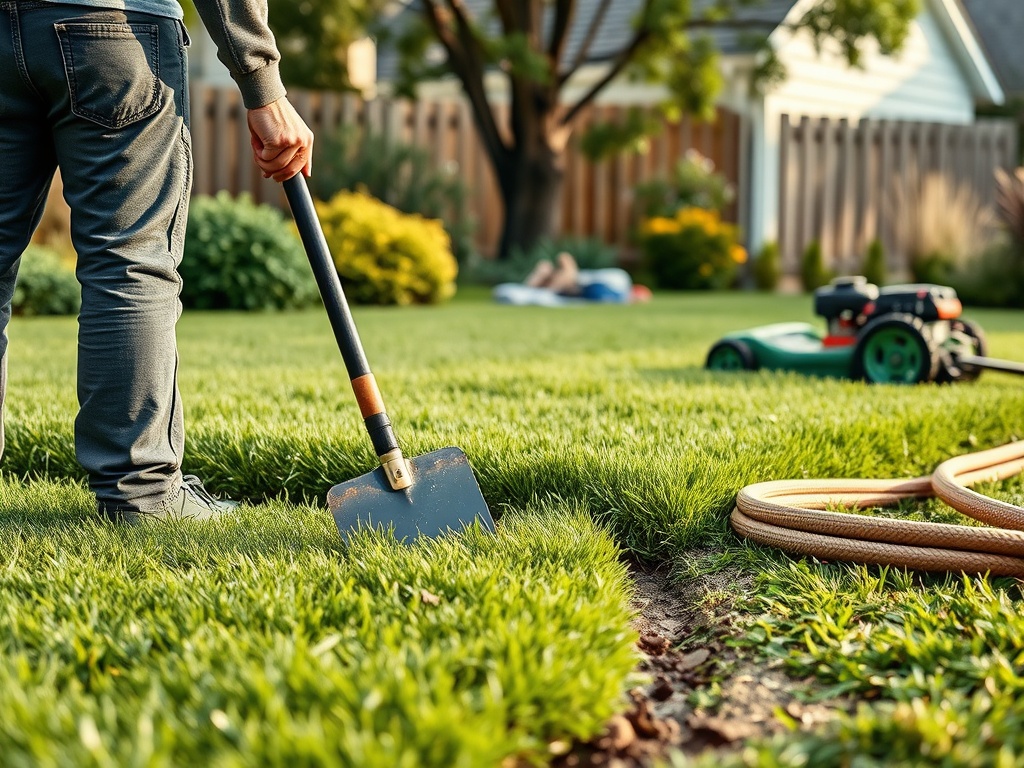
Fall: Use the Recovery Window Wisely
For many cool-season lawns, late summer into fall is the best window for seeding because soil remains warm while air temperatures moderate and weed competition can decline. Aeration can also be useful where genuine compaction exists. Do not treat aeration as a ritual; it is most valuable when the soil is compacted enough to restrict water, air, and roots.
Fall also connects lawn care to the broader landscape. A coherent yard plan from A Beginner’s Guide to Garden Design Principles can help you decide where turf is useful and where beds, paths, or other surfaces may serve the property better. Reducing awkward strips of lawn can lower maintenance without sacrificing function.
Winter: Protect the Lawn and Prepare the Equipment
In cold regions, avoid repeated traffic when turf is frost-covered or the soil is frozen and brittle. Clean mowers, remove old clippings from decks, inspect blades, and follow manufacturer instructions for fuel or battery storage. This is also a good time to review notes from the year: where water pooled, where weeds spread, where mowing was difficult, and where shade increased.
Mowing: The Routine That Influences Everything Else
Mowing height should match the grass species, and you should avoid removing a large portion of the blade at one time. Frequency should follow growth rather than a fixed weekly habit. Keep blades sharp and vary mowing direction periodically to reduce rutting and grain. Unless clippings are excessive or diseased, returning short clippings can recycle nutrients and organic matter.
Fertilizer and Soil Testing: Use Evidence Instead of Habit
More fertilizer is not automatically better. Nutrient needs depend on grass type, soil conditions, season, and local regulations. A soil test can help identify pH and nutrient issues before you buy amendments. Follow label directions and local rules, particularly around waterways, hard surfaces, and seasonal application restrictions.
If bare areas appear repeatedly, compare soil, sunlight, drainage, and traffic before treating them as a fertilizer problem. Turf growing under dense tree shade or in chronically wet soil may never perform like turf in open sun. In those places, changing the landscape use can be a better long-term decision than repeated inputs.
Pests and Weeds: Diagnose Before Treating
A few weeds do not automatically signal lawn failure, and brown patches can have many causes. Look closely at the pattern, recent weather, irrigation coverage, mowing practices, and the roots before applying a pesticide. When a treatment is needed, use a product labeled for the pest and turf species, and follow local requirements. Integrated pest management favors identification and the least disruptive effective control.
Make the Calendar Fit Your Property
Link seasonal lawn work with other yard systems. For example, What Every Homeowner Should Inspect Twice a Year can be paired with spring and fall lawn checks so gutters, drainage, exterior moisture, and turf problems are reviewed together. This reduces duplicate trips around the property and makes it easier to notice patterns such as a downspout creating a persistently wet lawn area.
A useful lawn calendar is a decision framework: observe, confirm the grass and site conditions, choose the least disruptive task, and adjust when weather changes. That approach is more reliable than trying to force every lawn into the same month-by-month schedule.
Information note: This home and garden information is educational only. Conditions vary by climate, property, materials, and local rules; use a qualified professional when a task is outside your experience or involves safety-critical work.
Build your own four-season checklist, then adjust each task to local extension guidance and current weather.