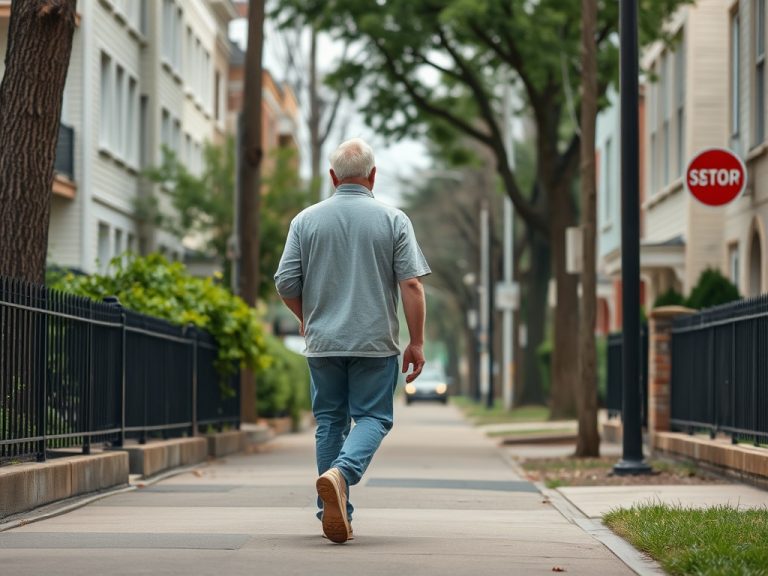
You can reduce muscle soreness without buying more gadgets by managing training load, using light movement, sleeping well, eating enough, and giving new exercises time to adapt. Soreness is common after unfamiliar or harder activity, but it is not the goal of training.
TL;DR: Delayed soreness often follows new movements, higher volume, eccentric work, or returning after time off.
- Light movement, gradual progression, sleep, hydration, and adequate food are the highest-friction-free tools.
- Recovery gadgets may feel good, but they are not required for most soreness management.
- Sharp pain, swelling, weakness, or symptoms that worsen should be treated differently from ordinary soreness.
Know what soreness can and cannot tell you
Delayed onset muscle soreness often appears 12 to 48 hours after challenging or unfamiliar exercise. It can feel tight, tender, or stiff. It does not prove that a workout was effective, and the absence of soreness does not mean a workout failed. The clearest training signals are performance, technique, consistency, and recovery over time.
Research on recovery methods is mixed because soreness is subjective and different techniques affect people differently. A systematic review and meta-analysis on post-exercise recovery compared strategies such as massage, compression, cold-water immersion, and active recovery. The practical takeaway from that recovery-method review is cautious: some methods may reduce perceived soreness, but none replace sensible training progression.
Start with load management
The best soreness strategy happens before the soreness begins. New exercises, longer ranges of motion, downhill running, high-rep lunges, and slow lowering phases can create a large soreness response. Introduce them gradually. If you change exercise selection, load, sets, and tempo in the same week, you make it hard to know what caused the soreness.
This is where choosing the right strength-training weight matters. A weight that lets technique stay controlled usually creates a better training signal than a weight that forces sloppy reps. If endurance work is also increasing, short-cardio planning can help prevent total weekly load from climbing too quickly.
Low-cost recovery tools that usually help
| Method | Why it may help | How to use it |
|---|---|---|
| Easy movement | Increases circulation and reduces stiffness for many people | Walk, cycle easy, or do gentle mobility for 10 to 20 minutes |
| Sleep | Supports recovery processes and energy regulation | Keep a consistent sleep window when training increases |
| Adequate food and protein | Supports tissue repair and training adaptation | Eat regular meals rather than undereating after hard sessions |
| Hydration | Supports normal function and comfort | Drink to thirst and replace fluids after sweaty sessions |
Stretching can feel good, but aggressive stretching of very sore muscles may irritate tissue. Gentle range of motion is usually more useful than forcing positions. Heat may help stiffness after the initial soreness period, while ice may temporarily reduce discomfort for some people. These are comfort tools, not guarantees of faster adaptation.
When soreness is not just soreness
Ordinary soreness is usually symmetrical or tied to a clear training change, improves over several days, and feels better with light movement. Warning signs include sharp pain, significant swelling, bruising, joint instability, numbness, severe weakness, fever, dark urine after extreme exercise, or pain that worsens rather than improves. Those signs deserve medical evaluation rather than another recovery gadget.
MedlinePlus offers general guidance for muscle strain care, including rest and careful use of ice early after an injury. Its muscle strain treatment overview is useful when the discomfort feels more like an injury than normal post-workout tenderness.
Mistakes that prolong soreness
- Repeating the same hard workout while still moving poorly.
- Using painkillers to push through sessions without addressing load.
- Changing programs too often, so every week creates a new soreness trigger.
- Treating foam rolling, massage guns, or cold plunges as substitutes for sleep.
- Cutting calories aggressively while increasing training volume.
Gadgets may still have a place. A massage tool, compression garment, or cold-water routine can be enjoyable and may reduce perceived discomfort for some people. The problem is dependency. If recovery requires a long list of devices every time you train, the program may be too aggressive or poorly organized.
A practical soreness reset
For the next hard training block, change one variable at a time. Keep a simple log of exercise, sets, reps, load, and soreness from 1 to 5 the next day. If soreness stays at 4 or 5 and performance drops, reduce volume or novelty. If soreness is mild and performance improves, progress gradually. The goal is productive training, not proving toughness through discomfort.
End the week with movement that helps you feel capable: an easy walk, gentle mobility, normal meals, and earlier sleep. If soreness repeatedly blocks daily life, scale back and consider qualified coaching or clinical advice. Recovery should make training more repeatable, not more complicated.
How to return to training while still sore
Mild soreness does not always require a full rest day, but it does require smarter choices. If your legs are sore from lunges, an easy walk, upper-body training, or gentle cycling may feel better than repeating heavy lunges. If your chest and shoulders are sore, train legs or do low-intensity aerobic work. Rotate stress instead of stacking it.
Use a movement-quality test before training. Can you move through the exercise range without sharp pain? Can you control the tempo? Does the soreness reduce as you warm up, or does it become more painful? If movement improves, a lighter session may be fine. If pain worsens, stop and choose recovery or seek advice.
Nutrition basics matter more when soreness is high. Skipping meals after demanding sessions can make the next day feel worse. Include regular meals, adequate protein, and carbohydrate sources that fit your dietary pattern. Hydration should be guided by thirst, sweat loss, climate, and urine color rather than extreme water challenges.
The long-term fix is familiarity. Movements usually create less soreness as the body adapts to them. Keep effective exercises in the program long enough to adapt instead of constantly replacing them with novel challenges. Novelty has a place, but too much novelty makes soreness the main training outcome.
Warm-ups can reduce the shock of training, especially when returning after a break. Spend 5 to 10 minutes moving from easy to specific: walk or cycle lightly, practice the movement pattern, then add load gradually. A warm-up will not prevent all soreness, but it gives joints and muscles a clearer ramp into the work.
Recovery days should still have a purpose. A day without hard training can include walking, gentle mobility, meal preparation, or sleep protection. Calling it lazy usually leads people to add unnecessary work. Calling it recovery makes it easier to return stronger to the next planned session.
If you enjoy recovery tools, use them after the basics are covered. A massage gun or compression boots may be pleasant, but they should not compensate for poor programming. Ask whether the tool helps you return to normal movement and consistent training. If it only creates another task, it may not be worth the cost or time.