When event promotion loses momentum, the first fix is not always more posts or a bigger ad spend. The better move is to diagnose where the campaign is slowing down: audience targeting, offer clarity, channel timing, landing-page friction, registration trust, or follow-up sequencing.
TL;DR: Fix the promotion campaign by checking the message, audience, timing, landing page, registration flow, proof points, and follow-up cadence in that order. Extra budget helps only after the campaign has a clear promise and a working conversion path.
Momentum problems usually have a specific cause
Event promotion often starts with energy. Announcements go out, social posts appear, partners share the news, and early registrations create confidence. Then the response slows. This is where teams may panic and increase posting frequency without understanding the problem. If the offer is unclear, more posts repeat the same confusion. If the landing page is weak, more traffic creates more missed registrations. If the audience list is broad, more email may reduce engagement.
The campaign should be repaired before it is amplified. If You’re Dealing With Promotion loses momentum, Fix Promotion Campaign First is a useful rule because it puts diagnosis ahead of noise. Teams planning broader attendee journeys can also connect the work to Beginner’s Guide to VIP, Speaker, And Sponsor Attendee Journeys for Better Event Decisions so messaging matches the people the event is trying to serve.
Start with the audience and promise
A campaign loses force when the audience cannot quickly answer three questions: why this event, why now, and why for me. The event title may be interesting, but the value may be buried. The agenda may be strong, but the promotion may lead with generic language. The speakers may be credible, but the campaign may not explain what attendees will learn, solve, compare, or experience.
- Rewrite the event promise in one sentence that names the audience and the outcome.
- Remove vague claims that could apply to any conference, workshop, pop-up, or expo.
- Segment messages for first-time attendees, returning attendees, sponsors, speakers, VIPs, and partners.
- Show practical details such as format, session type, access limits, and schedule context only when verified.
Audit the registration path before buying more traffic
Promotion and registration are one system. A strong ad or email can fail if the landing page takes too long to explain the event, hides key details, or asks for too much information too early. The page should clarify who the event is for, what the attendee receives, what the format includes, and what the next step requires. If ticketing or pricing is involved, disclosures should be accurate and prominent. The FTC Rule on Unfair or Deceptive Fees FAQ is relevant for live-event ticketing because it addresses total-price and fee disclosure expectations in covered contexts.
| Problem signal | Likely issue | Fast fix |
|---|---|---|
| High page visits, low registration | Landing-page promise or form friction | Clarify value above the fold and shorten the form |
| Email opens, weak clicks | Subject interest without message urgency | Rewrite body around audience outcome and next action |
| Clicks but no checkout | Price, trust, or tier confusion | Clarify inclusion, deadlines, and access limits based on official details |
| Social engagement, low sign-ups | Content entertains but does not convert | Add direct event context and a clear registration path |
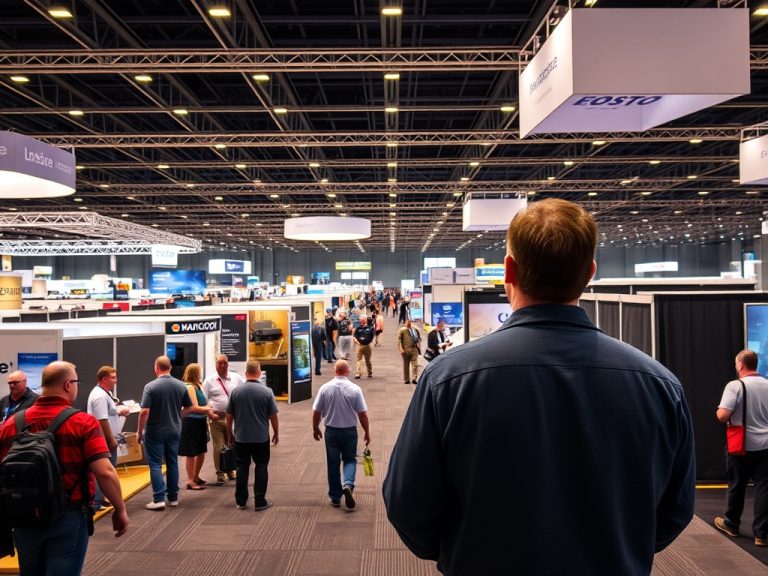
![[LINK:https://onyxwrite.com/if-you-re-dealing-with-promotion-loses-momentum-fix-promotion-campaign-first/]If You’re Dealing With Promotion loses momentum, Fix Promotion Campaign First](https://industrytoday.org/wp-content/uploads/2026/08/ai_art5_img2_onyxwrite_events_articles.jpg)
Repair channel timing and sequence
A campaign can lose momentum when channels are used in isolation. Email, paid social, partner posts, speaker promotion, PR, organic content, and retargeting should support one another. The sequence should move from awareness to relevance to urgency without exaggeration. For example, an early campaign may focus on the event theme and audience problem. Mid-campaign promotion may introduce speakers, sessions, or experience details. Later messages may answer logistics questions and reinforce verified deadlines.
Avoid creating artificial urgency if the deadline, capacity, or access rule is not confirmed. Use measured wording such as subject to availability, schedules may change, or access may vary by ticket tier where appropriate. This protects credibility and keeps the campaign aligned with event rules.
Bring in tools or specialists when the bottleneck is structural
Outside help makes sense when the team has identified a real gap. A media buyer can help when paid campaigns are under-structured. A conversion copywriter can help when the value proposition is muddy. A ticketing or CRM specialist can help when registration data is fragmented. A design partner can help when the event identity lacks consistency. Outsourcing before diagnosis can create more expense without fixing the campaign.
1. Review campaign data by source, audience segment, and message angle.
2. Interview sales, sponsors, speakers, or customer-facing teams for audience objections.
3. Rewrite the event promise and landing-page hierarchy.
4. Fix form friction, trust signals, pricing clarity, and schedule explanation.
5. Restart promotion with channel-specific messages and a weekly review rhythm.
Track recovery with meaningful numbers
Momentum recovery should be measured with more than impressions. Look at registration conversion rate, email click-to-registration ratio, abandoned checkout rate, partner traffic quality, cost per qualified registration, and audience-segment response. If the event has sponsors, track sponsor-relevant behaviors such as meeting requests, session saves, booth appointment interest, or content downloads where applicable.
Promotion does not need to become louder to become stronger. It needs to become easier to understand, easier to act on, and better matched to the audience’s reason for attending.
What to fix before restarting the campaign
Before relaunching promotion, rewrite the core campaign assets in one connected pass. The ad, email, landing page, partner blurb, speaker copy, and registration confirmation should use the same audience promise and the same verified details. This prevents the common problem where each channel sounds like a different event. Then review objections from real people: price confusion, time commitment, travel concerns, unclear outcomes, or weak proof. A refreshed campaign should answer those objections before asking people to register.
If the event is already close, prioritize fixes that reduce friction rather than rebuilding the entire campaign. Tighten the headline, clarify the audience outcome, simplify the form, refresh the email sequence, and give partners a clean sharing kit. These changes can be completed without changing the event itself, which protects operational stability while improving the promotion path.
Promotion Claim and Pricing Reminder
This article is for informational and educational purposes only. It is not legal, financial, travel, immigration, safety, insurance, or contractual advice. Event details, access rules, pricing, permits, schedules, and insurance requirements can vary by venue, city, country, organizer, and ticket tier, so readers should verify decisions directly with official organizers, venues, insurers, legal counsel, and relevant public agencies before committing resources.
Relaunch With a Cleaner Campaign
Use the campaign audit as a reset tool before expanding spend, adding channels, or changing the event offer.