
Comparing ski resorts, lodges, and alpine hotels is mainly an access and logistics exercise. A ski resort can put lifts, rentals, lessons, food, and activities in one system; a lodge may trade some infrastructure for character or a nature-first setting; an alpine hotel may offer efficient lodging in a town or village with separate access to ski areas.
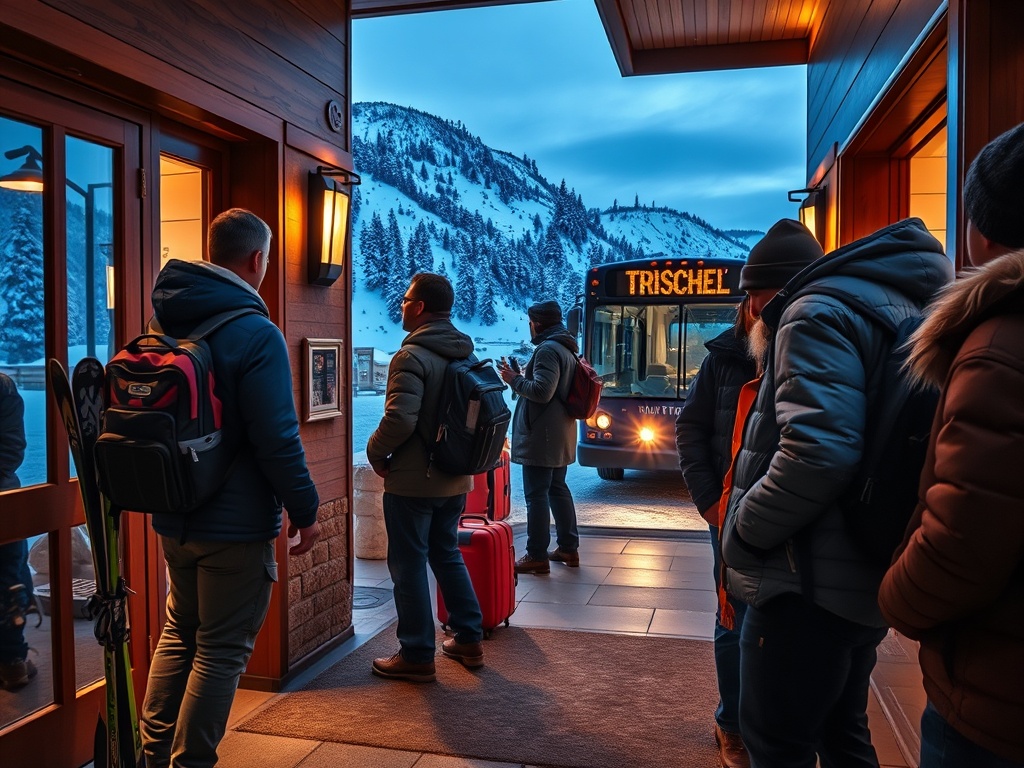
Before looking at room photos, map the chain from arrival to the first lift: airport or rail station, mountain road, parking or shuttle, equipment pickup, ski storage, boot changing, lift access, and the return trip at the end of the day.
Mountain-stay snapshot: access can matter more than the room
- Ski resorts integrate lifts, lessons, rentals, and recreation; lodges often emphasize atmosphere and proximity to nature; alpine hotels may function more like conventional hotels in a mountain town or resort base.
- Compare lift access, snow and road logistics, equipment storage, lessons, ticketing, shuttles, dining, altitude, non-ski activities, and total trip cost.
- A cheaper room can be poor value if it creates repeated transport or equipment friction.
Start with the mountain-access chain
“Ski-in/ski-out” deserves verification. Ask which runs or lifts connect to the property, what skier ability is needed, whether access depends on snow coverage, and whether beginners can reach lessons without using terrain beyond their level. For non-skiers, check pedestrian routes, shuttle frequency, and how easily they can reach dining or village facilities.
Equipment handling is another hidden quality-of-life factor. Compare rental locations, overnight ski or board storage, boot drying, lockers, tuning, and the distance from storage to lifts or shuttles. A hotel a short drive away can still be efficient if transport and gear handling are reliable; a slopeside room can still be awkward if guests carry equipment through long corridors or stairs.
| Mountain lodging type | Typical advantage | Main comparison question |
|---|---|---|
| Integrated ski resort | Lifts, lessons, rentals, and amenities in one system | How direct is actual access for each ability level? |
| Mountain lodge | Atmosphere, nature access, potentially quieter setting | How are transport, meals, and gear handled? |
| Alpine hotel | Conventional hotel service near a mountain town or base | What daily transfer is required to reach lifts? |
| Slopeside unit | Shortest theoretical distance to skiing | Is access reliable and suitable for the group? |
| Town-base stay | More dining and local services | Is the ski commute predictable enough? |
Compare the cost of getting onto snow each day
Price the complete ski day. Add lodging, mandatory hotel charges, parking, resort transportation, lift tickets or passes, rentals, lessons, childcare, meals, and any gear shipment or baggage fees that apply to your trip. Do not assume a “ski package” includes every major item; list each inclusion and its date or time restrictions.
The NSAA Responsibility Code sets widely used skier and snowboarder safety expectations in U.S. ski areas. It is not a hotel-selection standard, but it is a useful reminder to compare whether the resort’s terrain, lift access, and learning environment are appropriate for the people traveling rather than simply choosing the closest room to the slopes.
For families, age and supervision rules can change the best accommodation format. Comparing baby-friendly and teen-friendly resorts can help when childcare, teen independence, or mixed-age schedules are part of the mountain trip.
Evaluate the off-slope hours too
Off-slope time matters because weather, fatigue, or mixed interests can reduce ski hours. Compare dining variety, grocery access, pools or spas, fitness, indoor common areas, kids activities, village access, and evening transport. A remote lodge may be ideal for travelers who want to stay in; a town hotel may work better for a group that wants independent restaurants and errands.
Altitude and winter travel also affect comfort and planning. Travelers with health concerns should seek appropriate medical advice for their situation, and everyone should build margin into mountain transport. The National Weather Service’s avalanche safety resources distinguish backcountry avalanche terrain from managed ski-area operations and reinforce the value of checking current conditions and official local guidance.
If sustainability claims influence the choice, avoid assuming that a remote or rustic property is automatically greener. Comparing eco labels and green hotel standards provides a framework for checking what a certification or environmental claim actually covers.
Treat winter conditions as an operating constraint
Red flags include a shuttle described without a timetable, a “near lifts” claim that omits a steep walk, no clear plan for late arrivals in snow, limited gear storage, and package terms that restrict lesson or ticket dates. Ask the property what happens when roads close, shuttles fill, or a lift serving the hotel does not operate. The answer does not need to guarantee perfect weather; it should explain the property’s process.
For remote lodges, check dining reservations, last food service, fuel or charging options, road maintenance responsibility, and whether guests need snow tires, chains, or another local requirement. Those rules vary by destination and can change with conditions, so use official transport and weather sources close to the trip.
Verification notes to save before you book: ski resorts, lodges, and alpine hotels
Keep a simple record of the booking details that drove your decision: the exact room or accommodation category, occupancy, included services, cancellation deadline, and any written confirmation of a feature that is essential to the trip. Screens and property pages can change after booking, so saving the relevant terms gives you a clear reference if a question arises later.
When a comparison depends on a seasonal service, activity, shuttle, childcare program, or facility, verify it for your dates rather than relying on a general amenities page. If the property cannot confirm something that materially affects your decision, mark that item as uncertain in your scorecard instead of giving it full value.
A final evidence check for the shortlist: ski resorts, lodges, and alpine hotels
Give the last two candidates one consistency review across the property website, booking channel, and written rate terms. The goal is not to search endlessly for perfect certainty; it is to identify contradictions in price, inclusions, age rules, room features, or operating hours before money becomes nonrefundable. Where information conflicts, use the property’s direct confirmation for the exact reservation you are considering.
Keep subjective review content in perspective. Recent guest reports can reveal questions worth asking, but a review is an individual experience, not proof that your stay will be the same. Use reviews to generate verification questions, then rely on current official information for policies, facilities, and reservation terms.
Choose the base that makes the trip resilient
Score each option on arrival reliability, daily lift access, gear handling, lesson and rental convenience, non-ski activities, dining, room comfort, total cost, and bad-weather resilience. A property that saves an hour of repeated transport may be worth more than a room upgrade; a town hotel may be preferable if your group values choice and can tolerate the commute.
Choose the base that still works on a less-than-perfect day. Mountain trips are easier when the lodging plan has a backup for weather, mixed abilities, and changing energy levels rather than depending on one ideal schedule.
Build the trip from the lift backward
Start with where and how your group will ski, then choose the lodging that makes arrival, equipment, lessons, meals, and recovery easiest. Verify current winter transport and access rules close to departure, because mountain conditions can change the practical value of a location quickly.